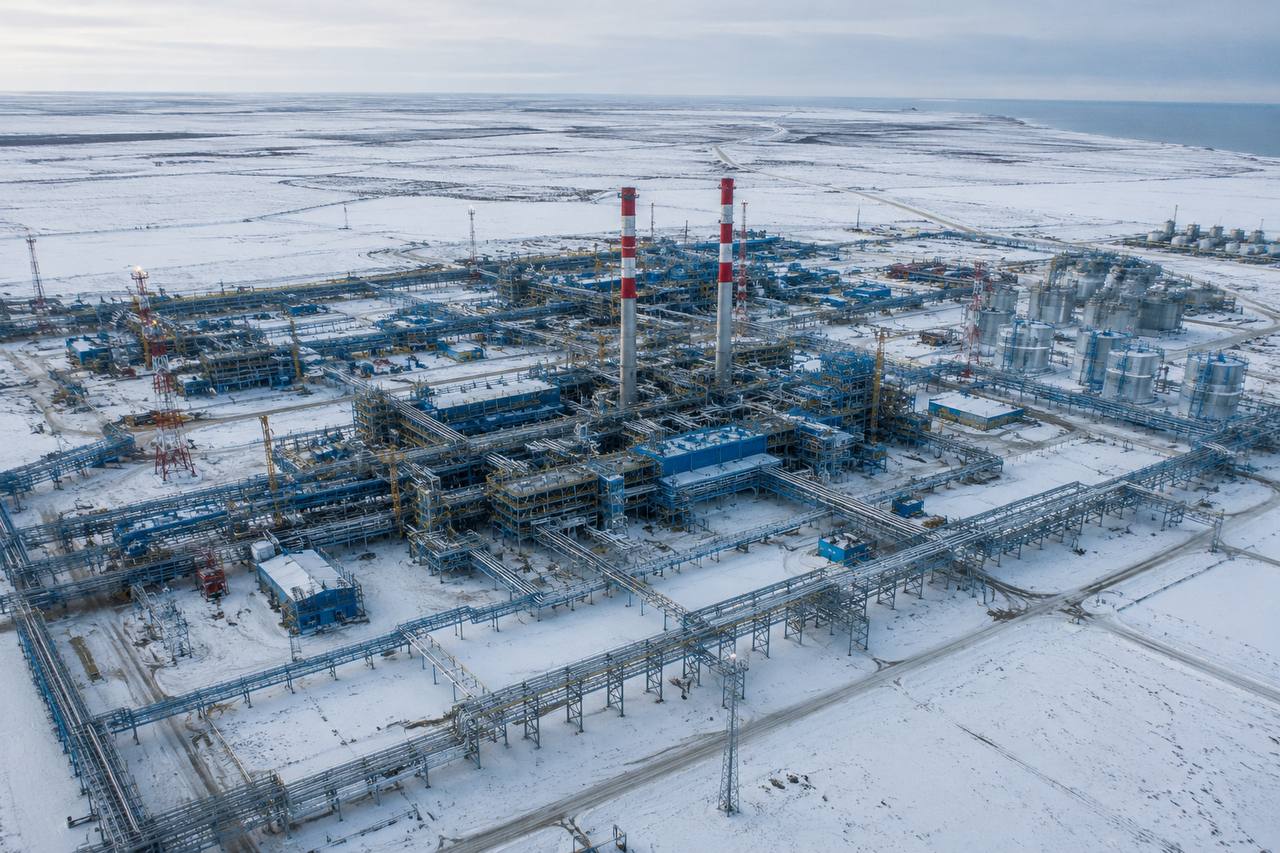

Slovak Prime Minister Robert Fico accused the European Union of hypocrisy on 26 May 2026, pointing to data showing Russian LNG had climbed to roughly 15% of total EU LNG imports by early 2026 — making Russia the bloc’s second-largest LNG supplier — even as Brussels pressures smaller member states to sever energy ties with Moscow.
Fico said EU nations lecturing Bratislava on energy independence are simultaneously expanding their own purchases of Russian liquefied natural gas — a contradiction he argued strips Brussels of any authority to dictate Slovak energy policy.
“The EU is importing more Russian LNG than ever while telling us to stop buying Russian gas. That is hypocrisy at its finest.”
Robert Fico, Prime Minister of Slovakia · Public statement · 26 May 2026
Spain, France, and Belgium are the largest EU recipients of Russian LNG, processed through Atlantic-coast regasification terminals built over the past decade to absorb spot cargoes. None of these flows fall under the same sanctions framework targeting Russian pipeline gas.
The gap is structural. Across 14 sanctions rounds, Brussels has targeted Russian oil, coal, and pipeline gas. LNG has been carved out each time. A full ban requires unanimity in the EU Council — Hungary and Slovakia have both signalled vetoes on energy sanctions, and western European importers have resisted measures that would force them to compete with Asian buyers for replacement cargoes, pushing spot prices sharply higher.
ℹ️ Why Russian LNG Escapes EU Sanctions
- EU Council unanimity rule gives Hungary and Slovakia an effective veto on energy sanctions
- Spain, France, and Belgium process Russian LNG at Atlantic terminals alongside US and Qatari cargoes
- Replacing Russian volumes at short notice means outbidding Asian spot buyers — a cost western governments have refused to absorb
- The EU’s REPowerEU plan targets full Russian fossil fuel exit by 2027 and includes a binding deadline for phasing out Russian LNG imports by the end of 2026
Fico’s argument is self-serving — Slovakia remains heavily dependent on Russian pipeline gas for household heating and industrial supply — but it carries weight the EU has not cleanly rebutted. Bratislava has repeatedly asked Brussels for a guaranteed alternative supply arrangement before any cutoff; none has been offered. The same dynamic played out in 2022 when the EU granted landlocked Central European states extended pipeline gas exemptions that remain partly in force.
The comparison Fico is forcing is arithmetically awkward for Brussels. While total Russian energy dependence across the EU has fallen since 2022, the bloc transferred hundreds of millions of euros monthly to Novatek and Gazprom through LNG purchases in early 2026 — routed via third-country intermediaries that sidestep direct sanctions exposure. Russia remained the EU’s second-largest LNG supplier, despite pipeline volumes collapsing.
That gap between rhetoric and flow data is what gives Fico — and Hungarian Prime Minister Viktor Orban — durable cover to resist further pressure on their pipeline contracts. If the EU Commission’s energy security review, expected on May 19, 2026, does not include a binding LNG phase-out timeline with alternative supply guarantees for Central European states, both leaders will use the omission to block the next sanctions round. Watch that document closely; it may settle the argument or extend it well into 2027.
FAQ
Why hasn't the EU sanctioned Russian LNG?
Which EU countries import the most Russian LNG?
What is Slovakia's position on Russian energy sanctions?


