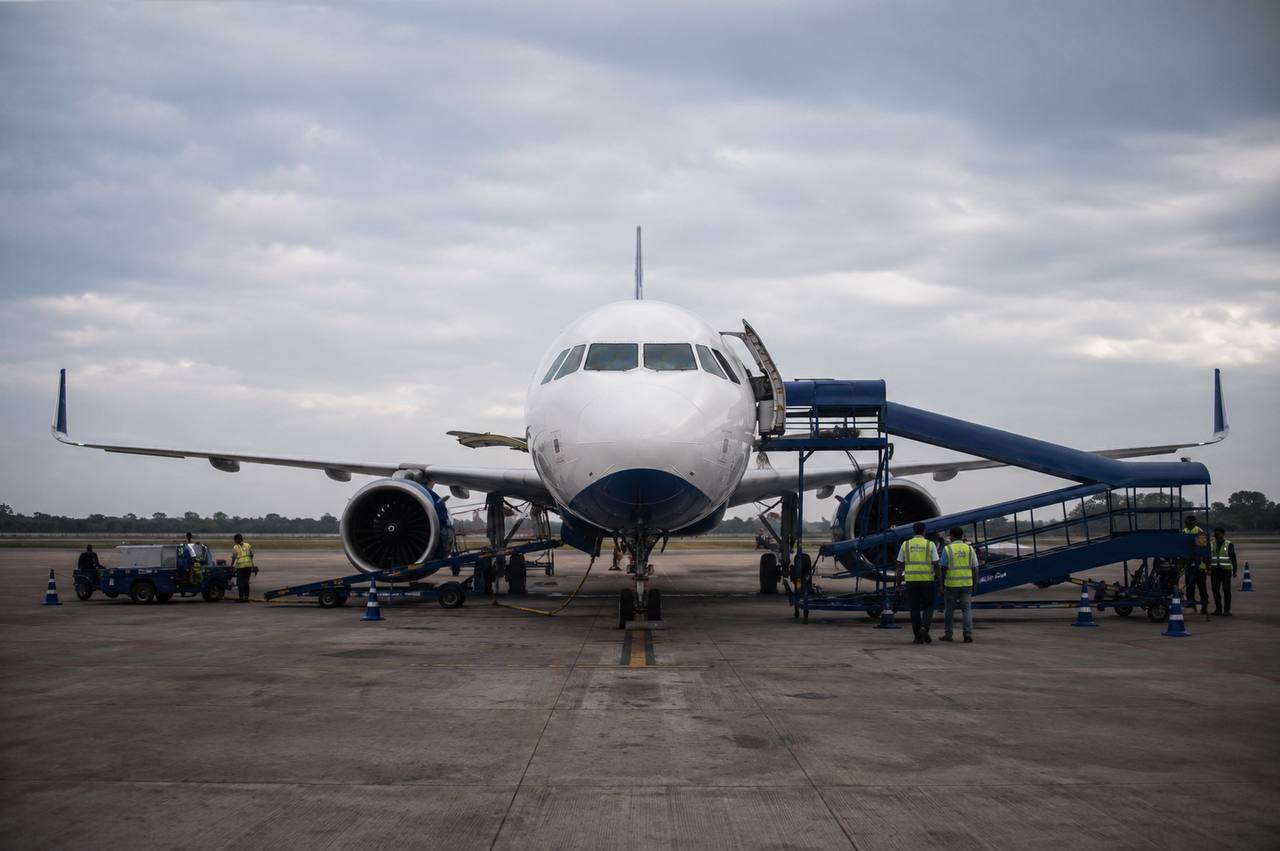

On May 26, 2026, a major aviation scare unfolded on the tarmac of Kempegowda International Airport in Bengaluru. Chennai-bound IndiGo flight 6E-6017, operated by a narrow-body Airbus A321neo aircraft with the registration VT-IME, was forced into a sudden emergency evacuation. More than 230 passengers and crew members on board were subjected to a rapid exit via emergency slides on the taxiway after thick smoke suddenly blanketed both the cockpit and the main passenger cabin.
According to regulatory updates provided by India’s aviation watchdog, the Directorate General of Civil Aviation (DGCA), the flight had successfully completed its pushback from the gate and was beginning its routine taxi toward the runway for takeoff. It was during these initial movements that smoke rapidly accumulated inside the flight deck and began seeping into the main passenger aisles. Recognizing the catastrophic threat that an uncontained fire or a toxic electrical short presents inside an enclosed fuselage, the flight crew made the high-pressure decision to halt the twin-engine aircraft immediately and order an emergency evacuation.
During the high-speed exodus, all escape slides were deployed. Amid the inevitable rush and panic inside the packed cabin, two passengers sustained minor injuries. The airline subsequently arranged an alternate aircraft to ferry the disrupted passengers to Chennai, while technical and airport fire crews rushed to isolate the aircraft. The DGCA has formally grounded the Airbus A321neo for a comprehensive inspection and rectification process, launching an official investigation to trace the definitive root cause of the incident.
The Anatomy of Tarmac Smoke Infiltration
ℹ️ Key Context: Understanding Tarmac Smoke Infiltration
To understand the context of what the DGCA’s technical team is searching for, it helps to understand how air circulates through a modern commercial airliner. Cabin air is primarily supplied via the aircraft’s bleed air system, which draws compressed air from the compressor stages of the main jet engines. This extremely hot air is routed through cooling units known as air conditioning packs before being distributed into the cabin and cockpit.
When smoke or a strong chemical haze suddenly appears during a taxi, investigators generally isolate the technical failure to one of three common systemic triggers:
- Environmental Control System (ECS) Contamination: If an internal seal or hydraulic line leaks fluid into the engine compressor or the auxiliary power unit (APU), the intense heat vaporizes the fluid. This creates an immediate dirty socks smell or heavy white smoke that is instantly pumped directly into the cockpit and cabin through the vents.
- Electrical Avionics Failures: Located immediately beneath the cockpit floor is the main avionics bay. A short circuit, a burnt wire, or an overheating cooling fan can trigger dense electrical smoke that enters the flight deck first before moving backward into the passenger area.
- Lithium-Ion Battery Malfunctions: Rogue consumer devices or power banks stowed in overhead bins or under seats can suffer from rapid thermal runaway, discharging dense, toxic smoke natively within the cabin environment.
A Familiar Pattern: Recent Mirror Incidents
The prompt deployment of slides on flight 6E-6017 is part of a growing pattern of smoke-in-the-cabin incidents across regional airports over recent years.
Recent Smoke-in-Cabin Incidents
- September 2022 — Air India Express IX-442: Localized fire during taxi at Muscat International Airport, emergency evacuation of 145 passengers.
- October 2022 — SpiceJet SG-3735: Thick smoke filled cockpit and cabin during descent to Hyderabad, blind emergency landing, full-slide evacuation with minor injuries to a passenger.
- October 2024 — Air India Express IX-549: Suspected smoke detected during taxi at Thiruvananthapuram, takeoff aborted, 142 passengers deplaned.
- May 26, 2026 — IndiGo 6E-6017: Thick smoke in cockpit and cabin during taxi at Bengaluru, emergency evacuation of 230+ passengers and crew, two minor injuries.
The Balancing Act of Safety Protocols
While standard deplanings are favored to prevent physical injuries associated with jumping down canvas slides, aviation protocol dictates that any active visibility of smoke must be treated as an uncontained fire until proven otherwise. The successful evacuation of flight 6E-6017, despite minor injuries to two individuals, is currently viewed by safety analysts as a successful implementation of standard operating procedures. The DGCA’s investigation into VT-IME will focus on whether internal component friction or fluid leaks caused the scare, adding critical raw data to global ongoing efforts to eliminate toxic fumes from modern aircraft air supplies.

