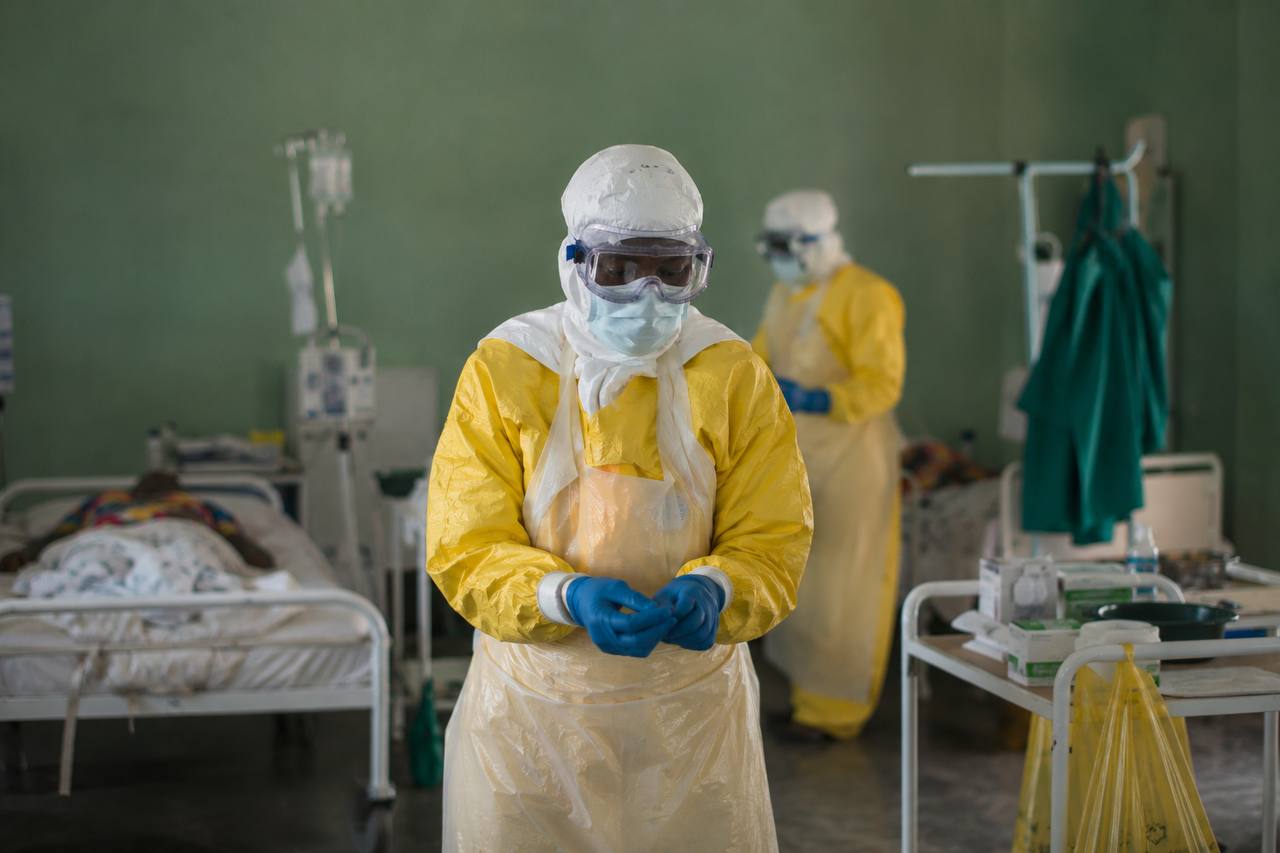

Authorities in Karnataka have heightened medical surveillance protocols after a female traveller arriving from East Africa exhibited potential indicators of a severe viral infection. The 28-year-old traveller, a resident of Uganda, recently landed in Bengaluru via Kempegowda International Airport. Due to the ongoing public health crisis in her home region, airport medical screeners were on high alert and flagged her case when she displayed unusual exhaustion. The local health administration swiftly moved her into a secure medical environment to rule out an infectious pathogen and prevent community transmission.
Currently, the patient is receiving care and continuous monitoring at a specialised epidemic treatment facility located in the Indiranagar neighbourhood of Bengaluru. Addressing the situation, Principal Secretary for the State Health Department, Ritwik Ranjanam Pandey, stated that the patient has not yet manifested the classic, severe indicators of the disease, such as a spiking temperature. Instead, her clinical presentation has been limited to general weakness and muscle aches. After briefly checking into a local hotel post-arrival, she was promptly relocated to the government medical centre once her discomfort worsened. Doctors report that her vital signs remain steady as medical staff closely monitor her progress.
The patient has not yet manifested the classic, severe indicators of the disease, such as a spiking temperature. Instead, her clinical presentation has been limited to general weakness and muscular aches.
Ritwik Ranjanam Pandey, Principal Secretary, State Health Department
To determine the exact nature of her illness, medical personnel have extracted biological specimens and dispatched them to the premier virology research institute in Pune. In accordance with strict infectious disease guidelines, healthcare workers will not rely on a single laboratory result. A secondary diagnostic evaluation will be conducted 48 hours later to ensure diagnostic certainty, securing public safety while awaiting initial laboratory findings.
ℹ️ Key Context: The Bundibugyo Ebola Variant Outbreak
This localised medical response is unfolding against the backdrop of a massive health emergency currently sweeping across the African continent. The disease in question is known for its high fatality rate and transmits primarily through direct contact with an infected individual’s bodily fluids, or by touching contaminated materials and surfaces. People exposed to the pathogen might not feel sick immediately; the incubation window lasts anywhere between 2 and 21 days. Once the virus becomes active, the infection usually begins with common symptoms like sore throat, severe fatigue, and fever. However, as the virus attacks the immune system, it can quickly escalate into devastating gastrointestinal distress, renal failure, and uncontrolled internal bleeding.
The international medical community is currently battling a fresh, aggressive wave of infections driven by the Bundibugyo variant of the pathogen. On the 15th of May, government health agencies in both Uganda and the Democratic Republic of the Congo confirmed the rapid spread of this specific viral strain. The situation is particularly alarming to global health experts because the scientific community has not yet developed or approved any targeted treatments or preventive vaccines for this specific variant, making standard containment much more difficult.
The lack of specialised medical countermeasures has allowed the pathogen to spread aggressively through local communities. Reports from the epicentre indicate hundreds of suspected infections and a death toll approaching 200 in the Congo alone, with the virus successfully crossing international borders into Ugandan territory. Acknowledging the severe threat of global transmission, the World Health Organization (WHO) intervened on the 17th of May. The global health body elevated the crisis to its maximum alert level, officially declaring it a global emergency, and urging all nations to prepare their borders and healthcare systems immediately.
Reacting to this international mandate, health policymakers in Karnataka have rolled out strict surveillance and screening protocols. Anyone stepping foot in the state after travelling through affected African territories is now required to strictly monitor their physical well-being for a mandatory three-week period. The official government guidelines emphasise that even the most minor symptom must be reported to the closest medical professional without delay. Should an infection cluster emerge in the community, specialised rapid response squads stand ready to track down contacts and enforce containment zones.
Simultaneously, the state government has reinforced its medical infrastructure to handle any potential positive diagnoses without overwhelming existing hospitals. In the state capital, two major institutions have been prepared. One institute specialising in chest diseases will serve as a primary isolation hub, while the Indiranagar facility continues its role in immediate quarantine operations. Coastal entry points are similarly secured. Authorities in Mangaluru have equipped a port-affiliated hospital to hold suspected carriers, alongside a district-level hospital that has been fully retrofitted to provide advanced therapeutic care and strict isolation for any confirmed patients.

