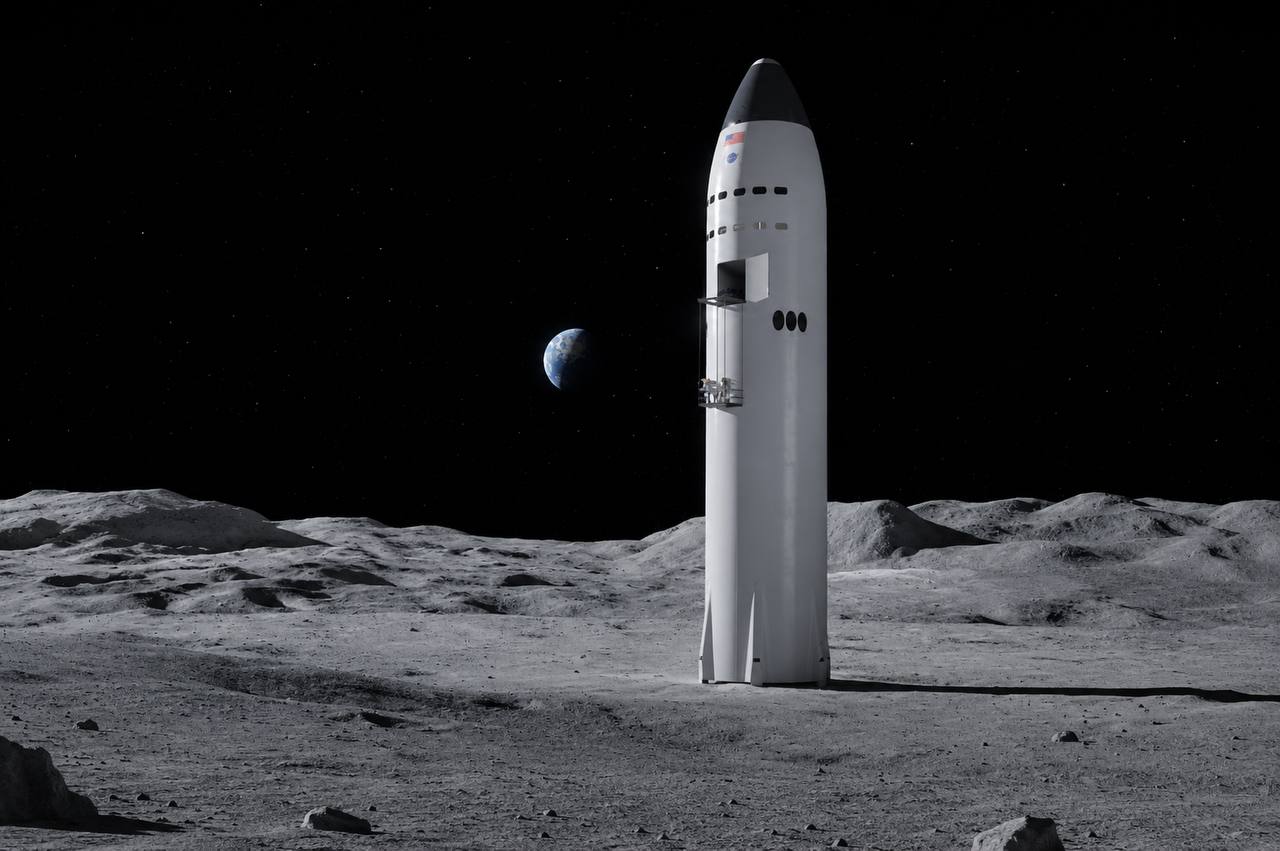

NASA Administrator Bill Nelson is expected to name four astronauts for the Artemis III mission today, which is now an Earth-orbital test flight targeting a launch in late 2027. This mission, now an Earth-orbital test flight, aims to test rendezvous and docking capabilities with commercial lunar landers. The first human return to the Moon’s surface is now planned for Artemis IV.
The selected crew comprises three NASA astronauts and one ESA astronaut. The revised Artemis III mission is planned for a duration of approximately two weeks in Earth orbit. The mission will test rendezvous and docking operations in Earth orbit with both SpaceX’s Starship Human Landing System (HLS) and Blue Origin’s Blue Moon. This system represents a crucial advancement in deep space exploration technology, designed for reusability and high payload capacity, essential for future Mars missions.
Artemis III forms a cornerstone of NASA’s broader Artemis program. This multi-year initiative seeks to establish a long-term human presence on the Moon. NASA’s spending on the program is projected to reach US$93 billion by 2025. This funding supports the development of the powerful Space Launch System (SLS) rocket and the Orion spacecraft, both essential for deep space travel and crew transport.
The mission’s primary scientific objectives, as an Earth-orbital test flight, will focus on testing critical systems and capabilities for future lunar missions. The collection of geological samples from the permanently shadowed regions of the lunar South Pole, and the deployment of scientific instruments to study lunar geology, space weather, and the potential for in-situ resource utilization (ISRU), such as ice extraction for fuel and life support, are now objectives for later Artemis missions, such as Artemis IV. This focus on ISRU marks a strategic shift from previous lunar explorations, aiming for self-sufficiency.
The success of Artemis III will directly influence NASA’s budget requests for subsequent lunar missions. Administrator Bill Nelson is expected to present updated funding proposals to Congress by early 2027. These proposals will detail plans for Artemis IV and V. The Lunar Gateway project has been shelved, with NASA instead prioritizing building a base on the Moon. This strategic planning ensures continuity for NASA’s ambitious deep space exploration goals, paving the way for eventual human missions to Mars. The 2027 proposals will likely include specific allocations for lunar infrastructure and operational costs.
ℹ️ Artemis Program Overview
- Goal: Return humans to the Moon, establish long-term presence, prepare for Mars.
- Timeline: First crewed Earth-orbital test flight (Artemis III) by late 2027. The first crewed lunar landing is planned for Artemis IV in early 2028.
- Key Components: Space Launch System (SLS) rocket, Orion spacecraft, Human Landing System (HLS).
- Budget: Over US$93 billion allocated through 2025.
- International Collaboration: Includes partners like ESA, JAXA, CSA.
The Artemis program builds upon decades of international space exploration expertise. It represents a crucial step beyond the short-duration Apollo missions of the 1960s and 1970s. The Apollo missions, which landed 12 astronauts between 1969 and 1972, focused on short scientific forays. Artemis III, as an Earth-orbital test flight, aims for sustainable exploration by testing critical technologies, with later missions creating a permanent lunar infrastructure. This includes the development of habitats and research stations, fostering a continuous human presence. This long-term vision differentiates Artemis from all prior lunar endeavors.
The mission also involves crucial international partnerships. The European Space Agency (ESA) provides the European Service Module for the Orion spacecraft. The Canadian Space Agency (CSA) contributes robotic arms for future lunar infrastructure. Japan Aerospace Exploration Agency (JAXA) is also a key partner, providing technology and crew contributions for future missions. These collaborations underscore the global effort behind returning humanity to the Moon and establishing a sustained presence.
The four astronauts will now begin intensive training specific to the Artemis III mission profile. This includes rigorous simulations of Earth-orbital operations, rendezvous and docking procedures, and scientific data collection techniques for future missions. NASA is conducting ongoing reviews for the Artemis III mission, which is now targeting a launch window in late 2027. This thorough preparation is crucial for mission success and astronaut safety, ensuring all systems and personnel are ready for the complex space environment.