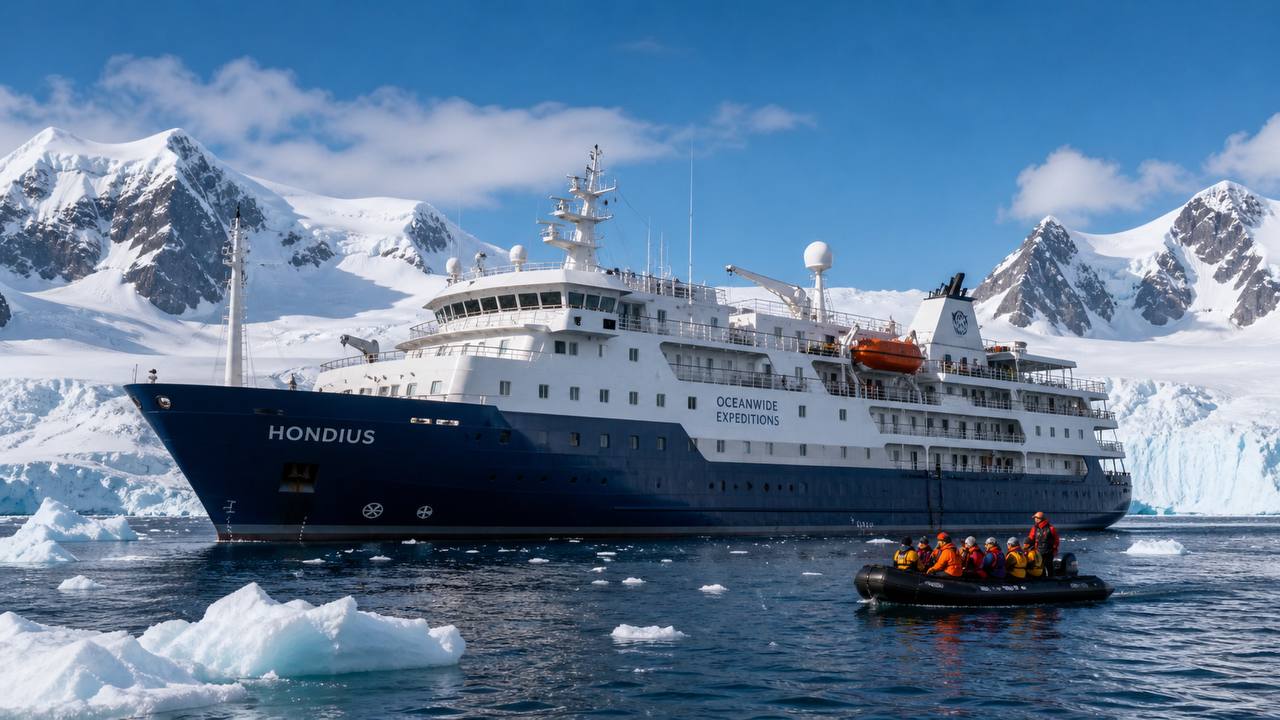

At least one hantavirus case has been laboratory-confirmed aboard the MV Hondius, an Antarctic expedition ship operated by Dutch firm Oceanwide Expeditions, with a British passenger now in intensive care in South Africa after testing positive. Other suspected cases remain under investigation. The WHO’s Global Outbreak Alert and Response Network (GOARN) is monitoring the situation, with a formal risk assessment expected by 18 May 2026.
ℹ️ What Is Hantavirus?
- A rodent-borne pathogen spread through contact with infected urine, droppings, or saliva — not through person-to-person contact in most strains.
- Two main disease forms: Hantavirus Pulmonary Syndrome (HPS), prevalent in the Americas, and Hemorrhagic Fever with Renal Syndrome (HFRS), common in Europe and Asia.
- HPS case fatality rate: 36–38%, per the US Centers for Disease Control and Prevention (CDC).
- No licensed vaccine or specific antiviral treatment exists. Management is entirely supportive care.
What Investigators Know
Oceanwide Expeditions has issued multiple public statements confirming a serious medical situation on board and providing updates on the affected individuals. The company has been asked to submit passenger manifests and rodent-control logs to port health authorities. Investigators have not yet confirmed the hantavirus strain involved.
The ship’s Antarctic itinerary includes port calls in Argentina and Chile — regions where the Andes hantavirus strain circulates. The Andes variant is the only confirmed hantavirus strain capable of person-to-person transmission, making strain identification a priority for investigators.
Symptoms and Clinical Timeline
CDC clinical guidance divides HPS into three stages. The prodromal phase — fever above 38°C, fatigue, and severe muscle pain in the thighs and back — lasts 3 to 7 days. HPS patients can deteriorate within 24 hours once the cardiopulmonary stage begins, requiring immediate mechanical ventilation. Treatment is supportive: supplemental oxygen, careful fluid management, and ICU-level respiratory care. Early hospitalisation materially improves survival odds, per CDC guidance.
India Angle: Cruise Travellers and IDSP Protocols
MEA did not respond by publication time. The outbreak is directly relevant to Indian travellers: an estimated 3.5 lakh Indian nationals travel on international cruise itineraries annually, per Cruise Lines International Association (CLIA) India 2024 data. Antarctic and Patagonia expedition routes have grown popular among Indian tourists aged 35–55.
The National Centre for Disease Control (NCDC), under India’s Ministry of Health and Family Welfare, classifies hantavirus as notifiable under the Integrated Disease Surveillance Programme (IDSP). Any returning traveller presenting with unexplained fever and respiratory distress after visiting South America must be screened under IDSP protocols. Travellers should disclose their full itinerary to their treating physician immediately.
What Happens Next
Investigating agencies are expected to publish an interim epidemiological report within 2 weeks of the MV Hondius docking. GOARN’s formal risk assessment is anticipated by 18 May 2026. Strain identification will determine whether person-to-person transmission protocols apply to other passengers on board.
FAQ
Can hantavirus spread between passengers on a cruise ship?
What should Indian travellers returning from South America watch for?
Is there a hantavirus vaccine or cure?


