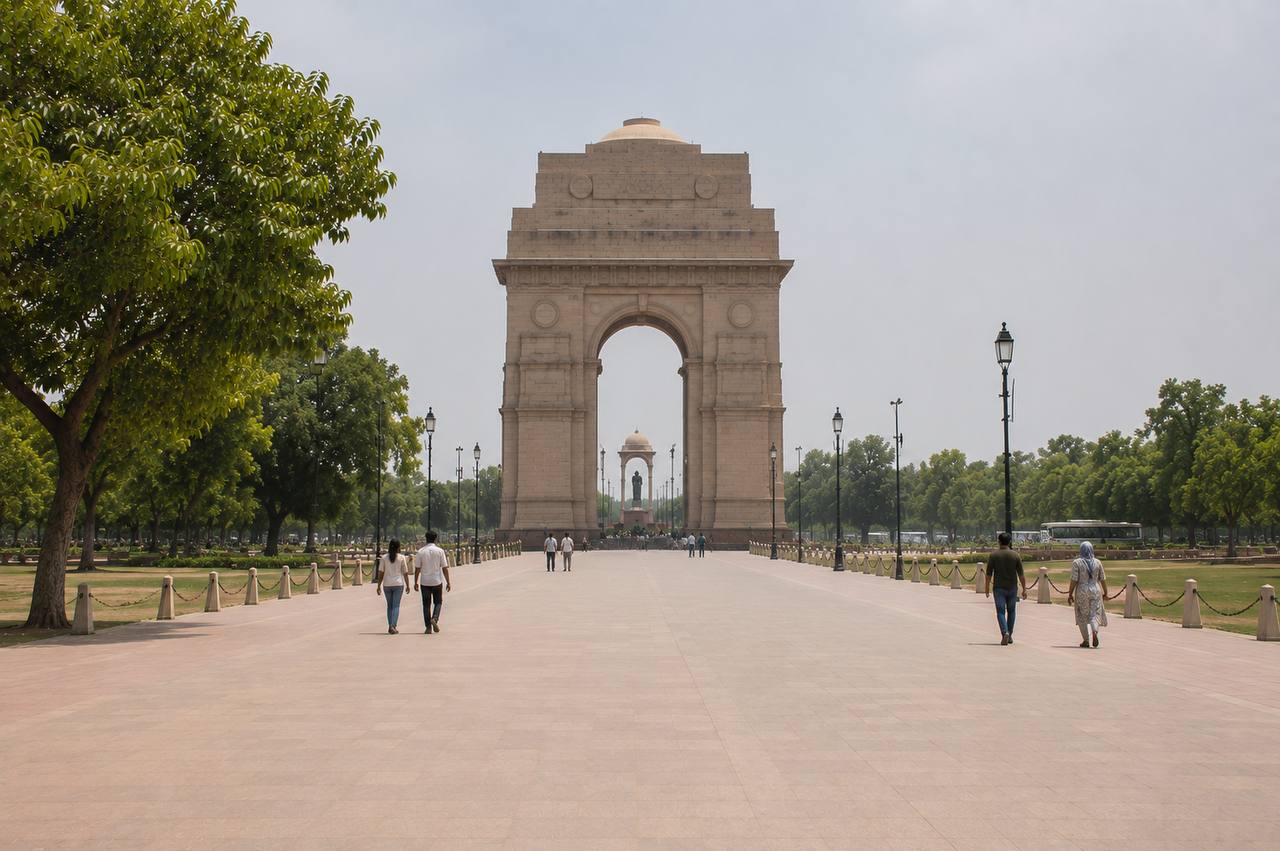

New Delhi, May 25, 2026 – As temperatures in the national capital hover near the 46°C mark and severe heatwave conditions grip large parts of North India, the India Meteorological Department (IMD) has offered a ray of hope: a significant cooldown is expected starting May 28, driven by an incoming Western Disturbance.
While the next 48 hours promise to be among the most punishing of the season, national power demand has already shattered records, testing the resilience of India’s electricity grid like never before.
Scorching Reality on Ground
Delhi and surrounding regions continued to reel under intense heat on Monday. Several weather stations recorded maximum temperatures between 43°C and 45°C, with isolated pockets touching or crossing 46°C. Nights have offered little respite — Delhi recently logged its warmest May night in 14 years.
The IMD has issued heatwave to severe heatwave warnings for Delhi, Haryana, Chandigarh, Punjab, Rajasthan, and parts of Uttar Pradesh, and Madhya Pradesh through May 27. Clear skies, strong dry westerly winds, and low humidity have turned the region into a furnace.
Why This Heatwave is So Intense: The Causes
Multiple factors have converged to make this pre-monsoon spell exceptionally brutal:
- Dominance of dry northwesterly winds: Hot, arid air from the deserts of Rajasthan and Pakistan has been blowing unchecked, suppressing moisture and preventing cloud formation.
- Weak Western Disturbances: These weather systems typically bring cooling rain and clouds in May. Their absence or weakness this month has allowed heat to build relentlessly.
- Urban Heat Island Effect: In Delhi-NCR, concrete jungles, reduced green cover, and vehicular/industrial emissions trap daytime heat, releasing it slowly after sunset and pushing night temperatures higher.
- Broader Climate Trends: Scientists link the increasing frequency and early onset of such heatwaves to human-induced climate change, which is raising baseline temperatures across India. Lingering influences from El Niño-like patterns have also contributed by reducing pre-monsoon rainfall.
This combination has not only intensified the heat but prolonged it, affecting millions across northern and central India.
Power Grid Stands Tall Amid Record Demand
The extreme heat has triggered unprecedented electricity consumption as air-conditioners and coolers ran at full capacity nationwide.
According to the Ministry of Power, India recorded successive all-time high peak demands:
Despite this surge, the national grid largely held up during daytime peak hours, thanks to strong solar generation (contributing nearly one-third of supply on peak days), adequate coal stocks, and proactive power procurement by discoms.
In Delhi, peak demand crossed 8,000 MW, yet major widespread outages were avoided. Officials credit improved forecasting, capacity additions, and renewable integration. However, some localized evening and nighttime complaints of power cuts persisted in parts of the NCR and other states when solar output dipped.
The Power Ministry has appealed to citizens to use electricity judiciously — setting ACs at 24–26°C, using fans, and avoiding unnecessary load during peak hours.
IMD’s Big Relief Update: Cooldown Incoming
The good news is on the horizon. A fresh Western Disturbance is likely to approach northwest India from May 28.
According to the latest IMD forecast:
- May 25–27: Maximum temperatures 43–45°C in Delhi, heatwave conditions continue.
- May 28: Slight easing to 41–43°C with increasing cloudiness.
- May 29–30: Sharp fall by 6–8°C, with maxima dropping to 35–37°C, accompanied by light rain or thunderstorms in some areas.
This system is expected to bring more moisture, cloud cover, and scattered showers, providing much-needed relief not just in Delhi but across several heatwave-affected regions. Minimum temperatures are also likely to drop by 4–5°C thereafter.
Outlook and Impact
While the immediate next two days remain critical, the extended outlook suggests the worst of this heatwave may be over by the end of the week. However, meteorologists caution that above-normal heatwave days remain a possibility in May overall due to climate trends.
Health authorities have reported rising heatstroke cases, urging vulnerable groups — the elderly, children, and outdoor workers — to stay hydrated, avoid direct sun between 12–4 PM, and wear light clothing.
As India navigates this annual summer challenge, the current episode underscores both the improving resilience of the power infrastructure and the growing urgency of climate adaptation measures.
For the latest updates, residents are advised to monitor the IMD website and app closely. Stay safe, conserve power, and prepare for the much-awaited cooldown.


