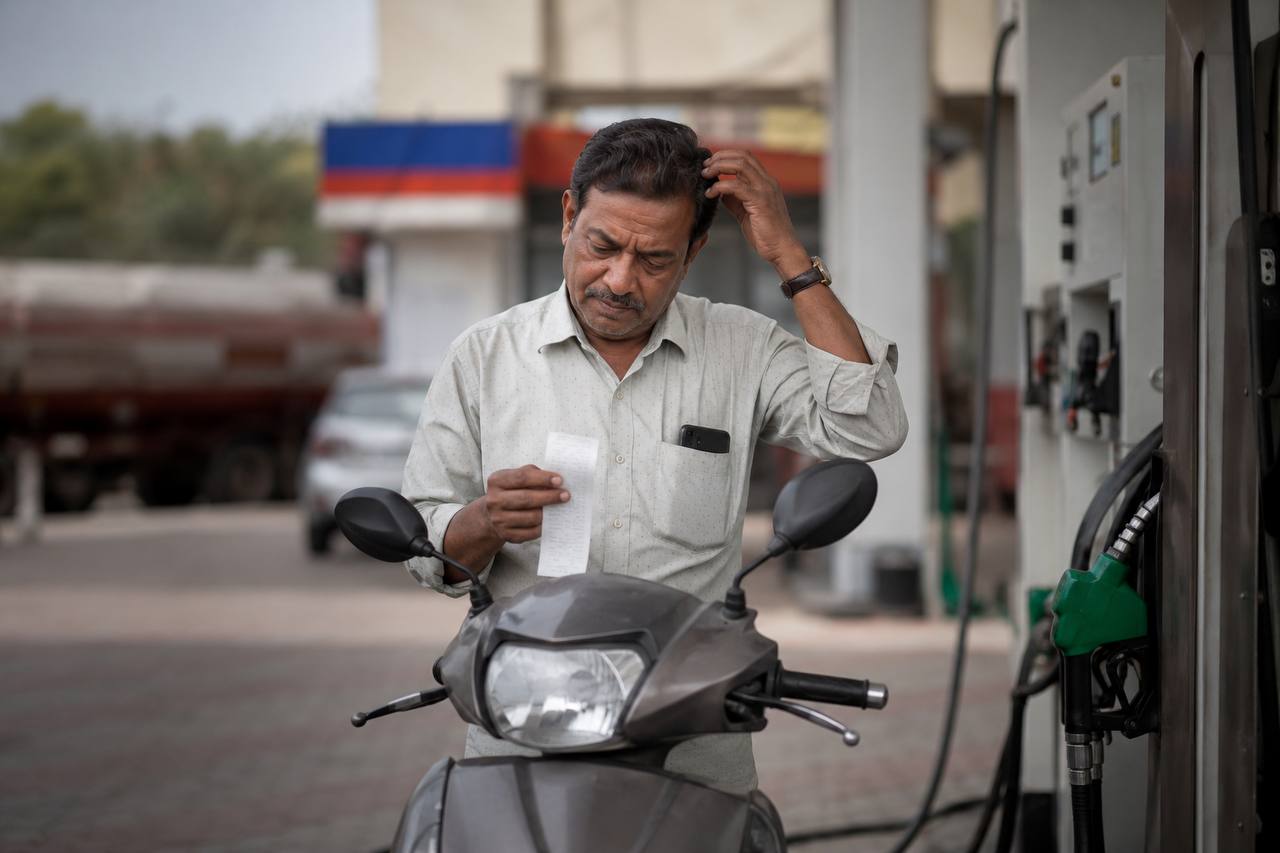

The Central government’s decision to increase petrol and diesel prices by ₹3 per litre marks a turning point in India’s inflation trajectory. Driven by the functional closure of the Strait of Hormuz, which has sent global crude prices skyrocketing, this hike is more than just a pump-side inconvenience. It is a hidden “energy tax” that is already beginning to seep into the Indian kitchen.
Understanding the mechanics of this price surge—and the specific order in which items will become more expensive—is essential for every household trying to navigate this period of economic volatility.
The Direct Link: How Fuel Prices Hike Food Costs
India’s food supply chain is fundamentally tied to diesel. Approximately 70% of the country’s long-haul freight moves on diesel-powered trucks. When fuel prices rise, it creates a direct transmission mechanism that moves from the gas station to the dinner table in three distinct stages:
-
The Freight Shock
Fuel constitutes approximately 70% of truck operating costs. A ₹3 hike is often the tipping point that forces transporters to revise their freight rates. Logistics providers in major hubs are already signalling a 10–15% increase in transport charges to preserve their thinning margins. While transporters sometimes absorb minor fluctuations, a significant hike during a global crisis is passed on almost immediately.
-
The Cold Chain and Perishables
Perishable goods face a sharper impact because refrigeration, cold storage, and rapid delivery networks are heavily dependent on fuel. The “holding cost” of these items increases every hour they stay in the supply chain. Milkmen, fish vendors, and vegetable wholesalers see their daily operating expenses jump instantly; these costs are eventually passed to the end consumer.
-
Farming Costs and Irrigation
India’s rural economy remains heavily dependent on diesel for tractors, irrigation pumps, and the movement of fertilisers. Higher fuel costs increase the total cultivation expense per acre. This supply-side pressure eventually leads to higher procurement prices, feeding back into the long-term cost of food.
The Priority Order: What Becomes Costlier First?
Inflation does not strike all food items simultaneously. The cascade follows a predictable sequence based on how directly each item depends on immediate transportation.
1. Vegetables — The First Responders
Vegetables are the first and most dramatically affected. Because they are highly perishable and must be moved daily from mandis to local markets, they cannot wait for prices to stabilise.
- Current Trends: Tomatoes, beans, capsicum, and drumsticks are often the first to cross the ₹100 per kilogram mark during fuel shocks.
- Why: Their “zero-shelf-life” nature means transporters have no choice but to hike prices immediately to cover the day’s fuel bill.
2. Dairy Products — Second in Line
The milk supply chain is entirely diesel-dependent, from farm-gate collection to urban doorstep delivery. Large cooperatives and local milkmen alike face higher costs for the refrigerated vans that keep milk fresh. Typically, dairy prices see an adjustment within days of a major fuel hike.
3. Fruits and Poultry
Like vegetables, fruits require quick transportation and often cold storage, making them highly sensitive. Similarly, poultry and meat prices rise as the cost of transporting live animals and maintaining climate-controlled storage for meat increases.
4. Packaged Foods and Edible Oils
Items like biscuits, bread, and cooking oils have longer shelf lives and are often moved in bulk. While they are sensitive to transport costs, FMCG companies usually take 2–4 weeks to adjust prices. They often try to absorb the initial shock before passing a ₹5–₹10 increase on to the consumer.
5. Restaurant and Street Food
Restaurants face a “double whammy” of rising ingredient costs and increased commercial LPG prices. However, many eateries hesitate to raise menu prices immediately for fear of losing footfall, creating a slight lag of one to two weeks before the customer feels the pinch.
The Household Impact
The cumulative effect on household budgets is severe. For a typical urban household, a 10–15% increase in the “food basket” can translate to hundreds of rupees in additional monthly expenses. Data suggests that as fuel prices climb, the majority of Indian households are forced to cut back on non-essential spending—such as entertainment or clothing—just to maintain their nutritional intake.
The Bottom Line
The sequence of inflation is clear: fresh produce will burn a hole in your pocket today, dairy and poultry tomorrow, and packaged goods by next month. As the West Asia crisis persists and fuel prices remain elevated, this food price inflation will likely endure, making meal planning and budget management the top priority for families across the country.