
MEXICO CITY—In just days, the legendary turf of Estadio Azteca will host a spectacle that is less of a traditional tournament and more of a global cultural migration. When the opening whistle blows to kick off the 2026 FIFA World Cup across the United States, Mexico, and Canada, it will launch the most logistically ambitious sporting event ever conceived.
The New Blueprint
For nearly a century, the World Cup was defined by a comfortable rhythm: 32 teams, 64 matches, one host nation. But as the beautiful game envelops an entire continent, that old blueprint has been permanently filed away. The defining numbers are staggering: three host nations, 48 teams, and 104 matches. This is no longer just a tournament; it is a sports landscape expanded to the absolute horizon.
ℹ️ Key Context: Democratizing the Game
The most visible shift is the expansion of the playing field. By growing the tournament from 32 to 48 nations, football is undergoing an intentional democratization. For decades, the qualification process in regions like Africa, Asia, and North America was a brutal bottleneck, leaving out rising hotbeds. With 16 additional slots, the World Cup opens its doors to fresh tactical philosophies and unpredictable underdogs. Critics worried that more teams might dilute the elite quality of competition. However, modern football has shown that the gap between traditional powerhouses and the rest of the world has narrowed significantly. The expansion doesn’t lower the bar; it merely builds a bigger stadium for a world that has already caught up to Europe and South America’s historical dominance.
The Grueling Marathon
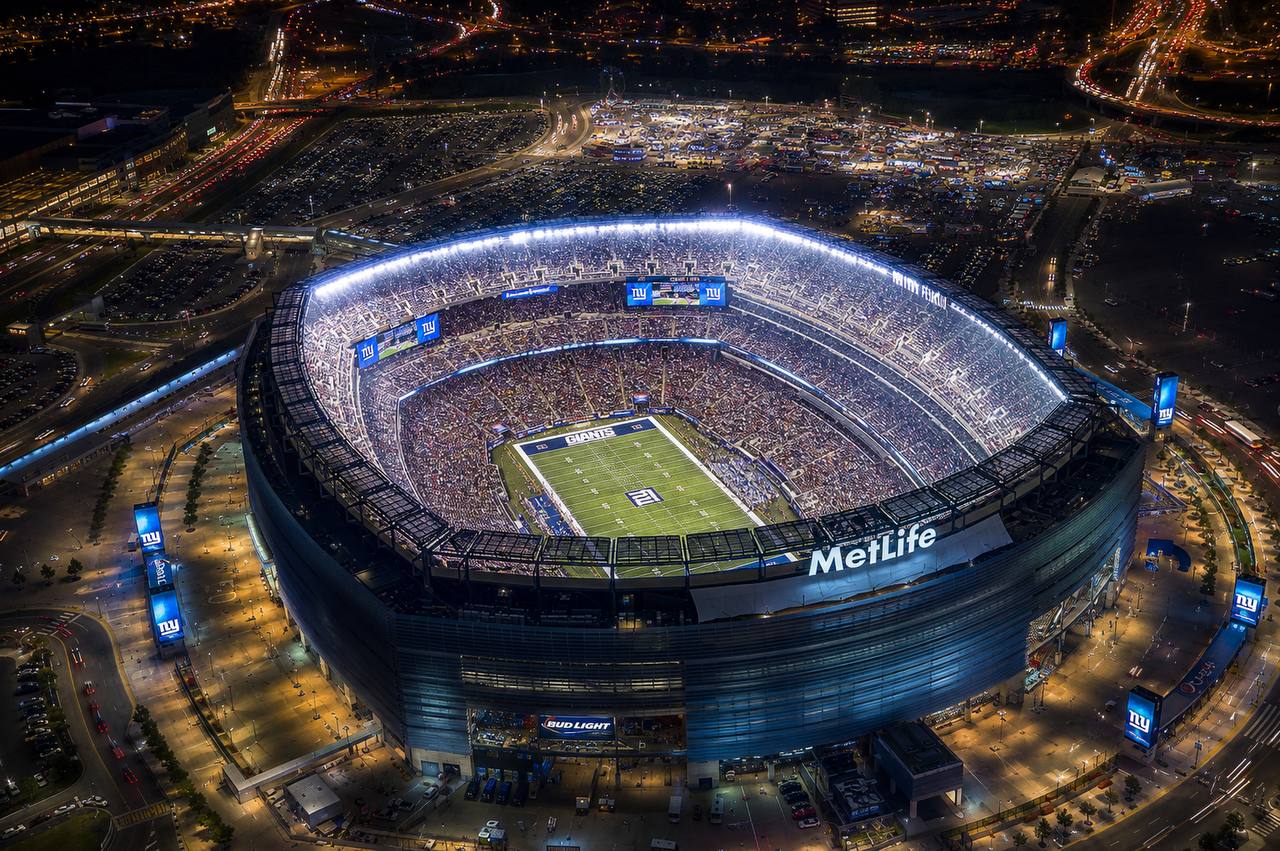
To accommodate this massive influx of talent, the itinerary has been completely overhauled. Fans will experience an unprecedented feast: 104 matches crammed into a relentless calendar. By retaining groups of four, FIFA preserved the chaotic drama of final matchdays while introducing a brand-new knockout layer: the Round of 32. For players, this turns the World Cup into a grueling physical marathon. To lift the iconic trophy at MetLife Stadium, the champion must survive eight matches instead of the traditional seven. Depth, sports science, and squad rotation will become just as critical as individual moments of genius.
Financial Powerhouse
Beyond the pitch, the sheer financial mechanics are operating on a scale never seen in international sports. The headline figure is the record-breaking prize pool, jumping to $655 million. But the true financial story lies in qualification. Under the revised distribution structure, every qualified nation is guaranteed a minimum payout of $10 million, alongside millions in preparation funding. For emerging federations, simply qualifying can generate more revenue than years of regional competitions combined. The expanded format transforms the tournament into a capital allocation platform that will reshape grassroots infrastructure globally.
Vast Economic Footprint
Economically, the tournament’s footprint covers an astonishing 6,000-mile span. The event is projected to generate roughly $80 billion in global economic output. By dividing the 16 host cities into regional clusters, organizers have attempted to minimize the carbon footprint of cross-continental travel. Yet, the vast geography will become a character in the story. A team might play a match in the dry altitude of Monterrey and find themselves playing a knockout fixture in the humidity of Miami just days later.
Media & Entertainment Shift
Media and entertainment are also undergoing a tectonic shift. The 2026 edition marks the definitive move from linear television to global digital streaming. The final is expected to shatter the 1.5 billion viewership mark set in 2022. Recognizing this unparalleled reach, FIFA is reportedly planning to introduce an official halftime show for the final. Music megastars have been linked to the project, taking a page from the Super Bowl playbook. This convergence of sports and entertainment signifies that the World Cup is actively vying for absolute cultural dominance.
A New Era for Football
When the tournament concludes, the sporting world will look vastly different. It represents a shift away from a single-nation festival into a transnational commercial enterprise. This giant leap in scale is a bold bet on the infinite appetite for football, testing the absolute limits of athletic endurance and international logistics. The true metric of success will be found in the moments that numbers cannot quantify: the kid watching their country play for the first time, or the collective roar of a continent united by a single ball. The largest World Cup in history has arrived, and bigger might truly mean better.