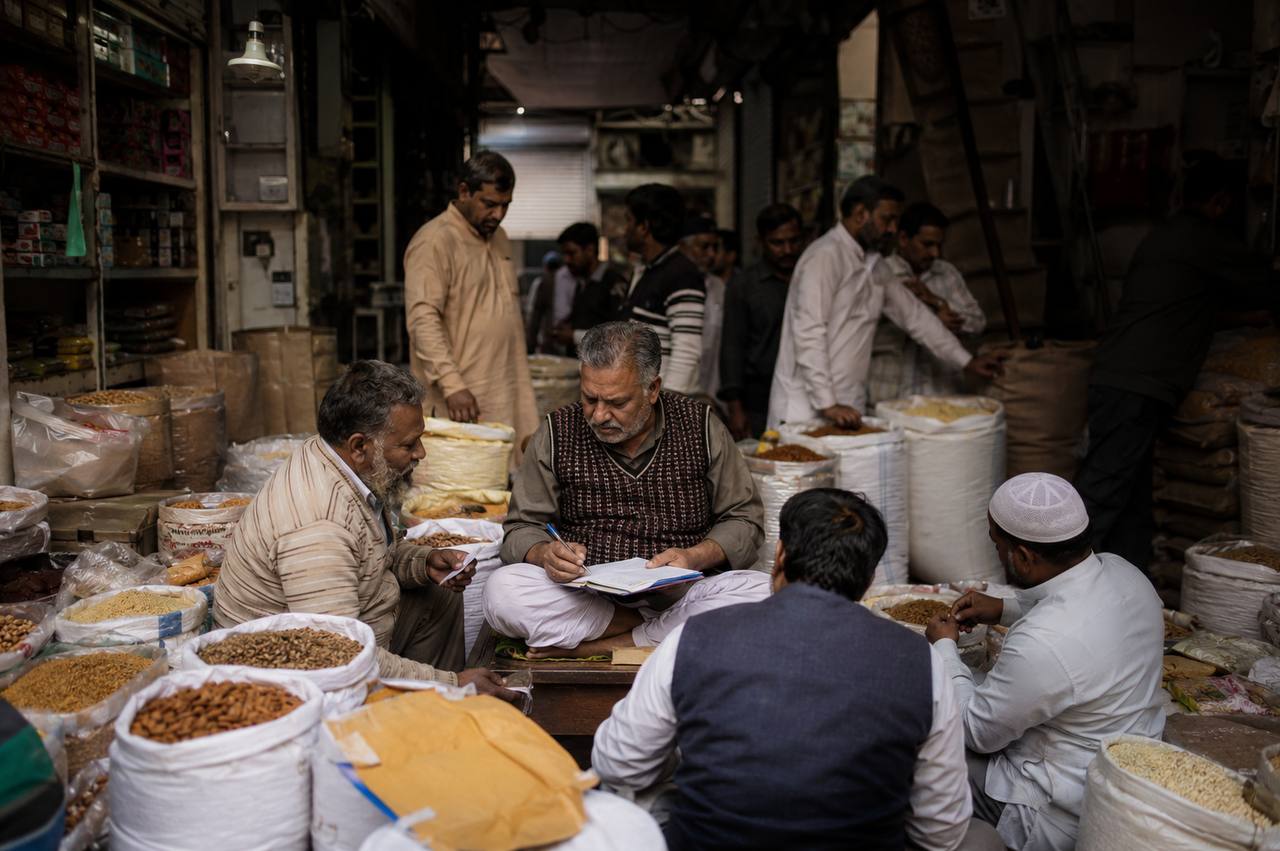

India’s wholesale price inflation climbed to 8.3% in April 2026 — the highest reading in 42 months — as food articles, fuel and power, and manufactured products all posted elevated gains, the Ministry of Commerce and Industry reported.
What Drove the Surge
The April reading reflects broad-based pressure across all three major WPI categories. Food article prices rose sharply, pointing to tight supply conditions in key producing states including Punjab, Haryana and Maharashtra. Fuel and power costs tracked global energy trends higher. Manufactured products — which carry the largest weight in the WPI basket — also posted elevated readings, confirming that input cost stress is moving through supply chains.
The WPI measures price changes at the producer and wholesale level, before goods reach retail shelves. A sustained run-up at this stage typically feeds into the Consumer Price Index (CPI) with a lag of four to eight weeks, per National Statistical Office (NSO) methodology.
WPI Inflation: Key Drivers, April 2026
| Category | Direction | Basket Weight |
|---|---|---|
| Food Articles | Up | High |
| Fuel & Power | Up | Medium |
| Manufactured Products | Up | Highest |
RBI’s Tightening Dilemma
The Reserve Bank of India (RBI) Monetary Policy Committee (MPC) sets monetary policy against a CPI target band of 2–6%. A wholesale price surge of this magnitude, if sustained through May, would show up in CPI data by June — narrowing the MPC’s room to cut rates even if growth signals soften.
The last time WPI touched comparable levels was October 2022, when the MPC was mid-cycle in an aggressive rate-hiking sequence that took the repo rate from 4% to 6.5% between May and December that year. The current episode arrives in a different macro setting — but the inflation arithmetic is not dissimilar.
WPI vs CPI: Same Pressure, Different Timelines
8.3% in April 2026 — 42-month high; captures producer-level stress across food, fuel and manufactured goods
RBI's primary policy anchor; NSO-tracked; wholesale pass-through typically arrives within 4–8 weeks, likely visible in June CPI
Business Cost Impact
For manufacturers and traders, an 8.3% WPI reading compresses margins wherever retail prices cannot be raised in tandem. Small and medium enterprises — operating on thin margins with limited pricing power — face the sharpest squeeze. Input costs in food processing, chemicals and metals are now running at levels last seen in late 2022.
Wholesale price inflation for April 2026 stood at 8.3%, driven by higher prices in food articles, fuel and power, and manufactured products.
Ministry of Commerce and Industry · Official WPI Data Release · May 2026
What Happens Next
The NSO is expected to release April 2026 CPI data by 14 May 2026. That print will reveal how much wholesale price pressure has already reached household budgets. The MPC’s next scheduled policy review follows shortly after — and with WPI at a 42-month high, any rate-cut signal the committee had previously floated faces a harder test.
⚖️
Verdict: Inflation Watch
An 8.3% WPI print — the worst in 42 months — puts household budgets and RBI rate decisions under simultaneous pressure. The April CPI release and the next MPC meeting are the two dates that will define India's near-term inflation trajectory.
This is informational content only, not investment advice.